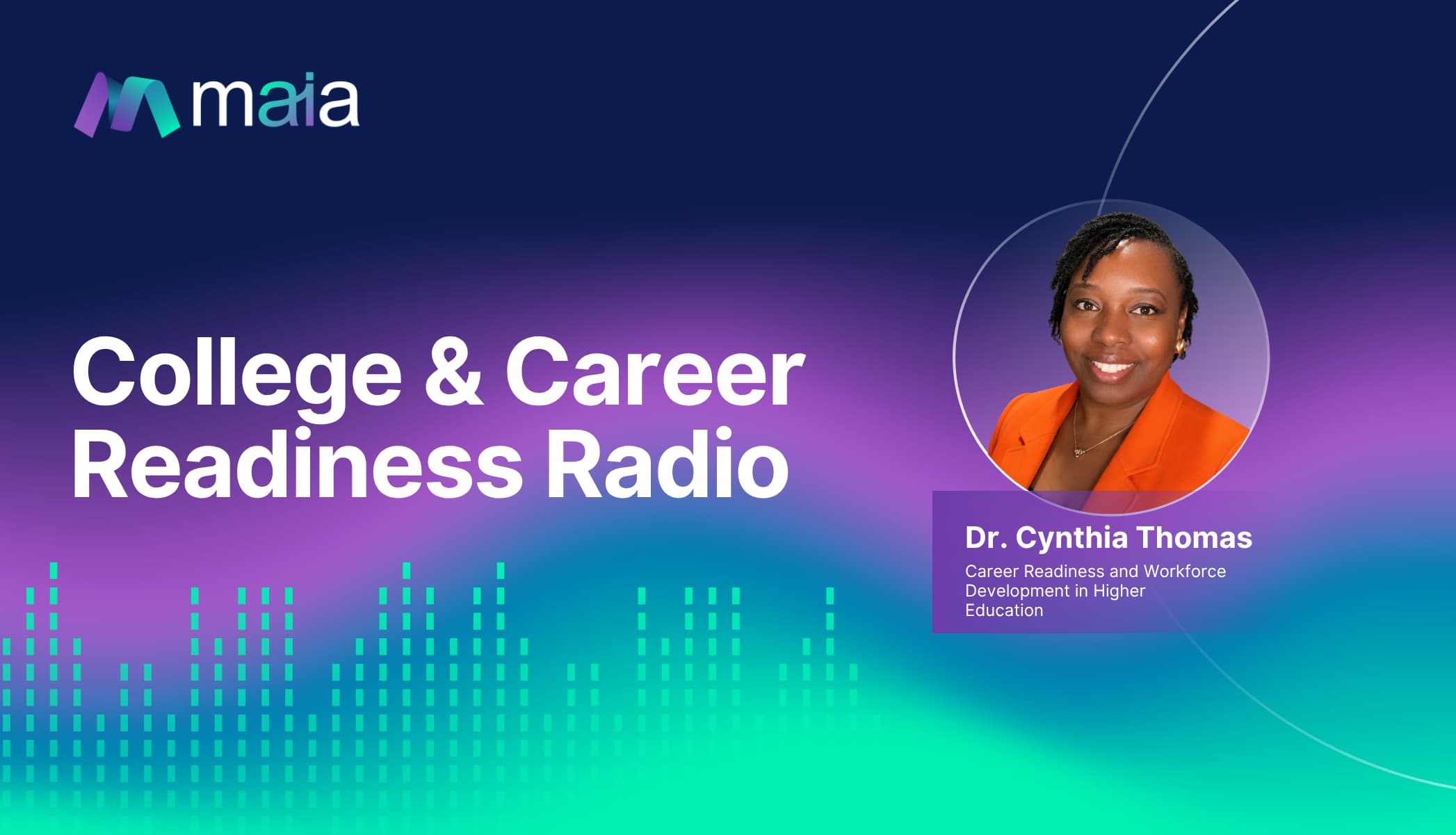
Dr. Cynthia Thomas's Bio
Dr. Cynthia Thomas is the founder and principal consultant of CTE Consultants, LLC, where she helps education, workforce, and industry partners design culturally responsive Career and Technical Education and workforce development programs that prepare learners for success. Her work focuses on creating equitable career pathways, strengthening employer partnerships, and developing innovative curriculum and professional learning grounded in research and real-world practice.
She also serves as an Assistant Professor and Work-Based Learning Program Coordinator at SUNY Oswego and brings more than 15 years of experience spanning education, workforce development, and industry—including as a licensed cosmetologist, salon owner, and New York State Cosmetology Examiner. A nationally recognized leader in CTE, Dr. Thomas is the 2026 NYSACTE Post-Secondary Professional of the Year for both New York State and Region 1 and is an active contributor to organizations including ACTE, Advance CTE, and NYPACE.
Dr. Thomas says career readiness instruction should be personalized just as intentionally as technical skill instruction.
She explains that students retain learning more effectively when instruction is connected to their lived experiences.
Cynthia developed the POWER Method after identifying a gap in culturally responsive frameworks for postsecondary CTE and workforce development.
She says the framework is built around eight pillars, including learner identity, student voice, workforce connections, equity, personalized learning, and instructional sustainability.
Dr. Thomas emphasizes that technical skills alone are not enough—career readiness skills must be intentionally embedded into every training program.
She explains that instructors should use student voice, assessments, and intentional grouping to tailor learning experiences without lowering expectations.
Cynthia believes authentic workforce connections should match students' strengths, goals, and cultural backgrounds to improve long-term success.
She says organizations should use assessment data to build stronger partnerships with employers rather than placing students into one-size-fits-all experiences.
Dr. Thomas discusses how culturally responsive instruction extends beyond the classroom to include workplace culture, communication, and professional expectations.
She argues that postsecondary education must evolve to better reflect today's learners, changing workforce demands, and diverse career pathways.
Cynthia encourages educators to move beyond traditional lecture models and create learning environments where students see themselves reflected in the curriculum.
Her closing message is clear: embrace change and redesign career readiness programs to prepare students for meaningful, sustainable careers—not simply employment.
.avif)